


Trust in Mask: How COVID-19 Has Changed the Attitude of Russians to Each Other
As a result of the COVID-19 pandemic, when the whole country ended up in self-isolation, some people have to ask for support, others prepare themselves in readiness to provide it. Have Russians felt more cautious in recent months, or do people who have been forced to stay at home still remember how to trust and help? In order to find the answers to these questions, we can analyse the data from a new all-Russian survey conducted by HSE Centre for Studies of Civil Society and Non-Profit Sector.

Emotional Must-haves: Which Feelings People Consider Most Important Today
People should radiate happiness but also be able to feel compunction; control themselves, but know when to give free rein to their feelings; love without suffering for it; and experience feelings of excitement and nostalgia without succumbing to emotional distress. Society adheres to a rather contradictory code for the expression of feelings or emotional imperatives. Feelings can lead to either a break in social ties or greater solidarity with others. In this article, IQ.HSE looks at emotional imperatives based on a report that HSE sociologist Olga Simonova presented at the XXI April Conference.

The Joy of Work: Which Russians Are Made Happier by Their Jobs
For Russians, job satisfaction plays a significant role in overall life satisfaction. This is especially true for those with higher education and of higher income levels, as well as those who are driven by professional and career achievements. One factor that does not have any effect, however, is gender. It is equally important for men and women that they love their work. These are the findings of a study conducted by the HSE Laboratory of Comparative Social Research (LCSR), which was presented at the XXI April International Academic Conference.

It's All about Social Capital
Multiple factors determine how well immigrants can adapt to living in a new country. According to research, the key factors are social capital, i.e. having friends who can help with housing, employment and other basic needs, and the immigrant's approach to becoming part of their new community and culture (i.e. acculturation attitudes and strategies). A team of HSE researchers examined the relative importance of social capital and acculturation strategies for successful adaptation of immigrants from Central Asia and South Korea living in Moscow.
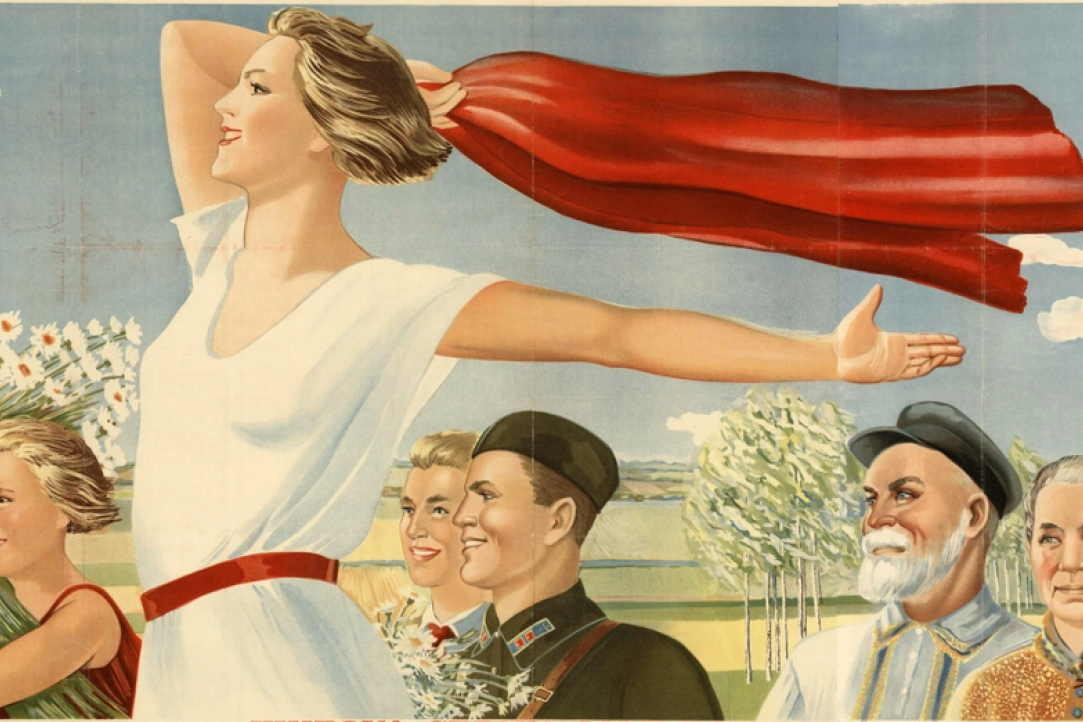
A Proud ‘No’: Why Egalitarian Values Don’t Catch on in Post-Soviet Countries
People’s values of personal choice, suсh as their attitudes towards abortion, divorce, and premarital sex, are usually determined their level of education, age, religiosity, and social status. At least this is the case in many countries such as the US and those in Europe. In a recent study, HSE sociologists found that in post-Soviet countries, personal values are most determined by people’s level of patriotism.
.jpg "Three to Ten: Why Families Choose to Have More Children, More Often")
Three to Ten: Why Families Choose to Have More Children, More Often
More than 500 large families in three Russian federal districts were surveyed to explore reasons why couples choose to have many children. Five main patterns were identified, driven by values (partner trust and religious beliefs), socioeconomic circumstances (income and education), and availability of support from extended family and friends.
‘I Am Really Thankful for This Opportunity to Expand My Knowledge’
Friederike Augustin is a second year Master’s student in Comparative Social Research double degree programme with Free University of Berlin. After reading European Studies for her Bachelor’s she enrolled in an Eastern European Studies programme to have the opportunity to spend some time in Russia.
The Turnstile Tango: How the ‘Turnstile Era’ Influenced the Physicality of Muscovites
The turnstiles and entrance gates used in municipal transport not only ensure that passengers pay, but also structure their behavior according to age, body size, ability and speed. Many people must maneuver themselves to pass easily through the rotating arms or swinging gates of an Automated Passage Control System (APCS): passengers cannot be too large or too small and must not walk too quickly or too slowly. Sociologists studied how turnstiles impose uniformity on passengers’ physicality and behaviour.

Isolated, Vulnerable, and Apathetic: HIV and the Transgender Community in Russia
Although HIV infection rates are high among the transgender community in Russia, many transgender people know very little about the virus, as well as their own health status. In Russia’s first study to examine transgender people as an at-risk social group for HIV transmission, demographers attribute these high infection rates to the community’s social stigmatization and isolation, as well as a lack of access to medical services. The study’s findings have been published in the HSE journal, Demographic Review.
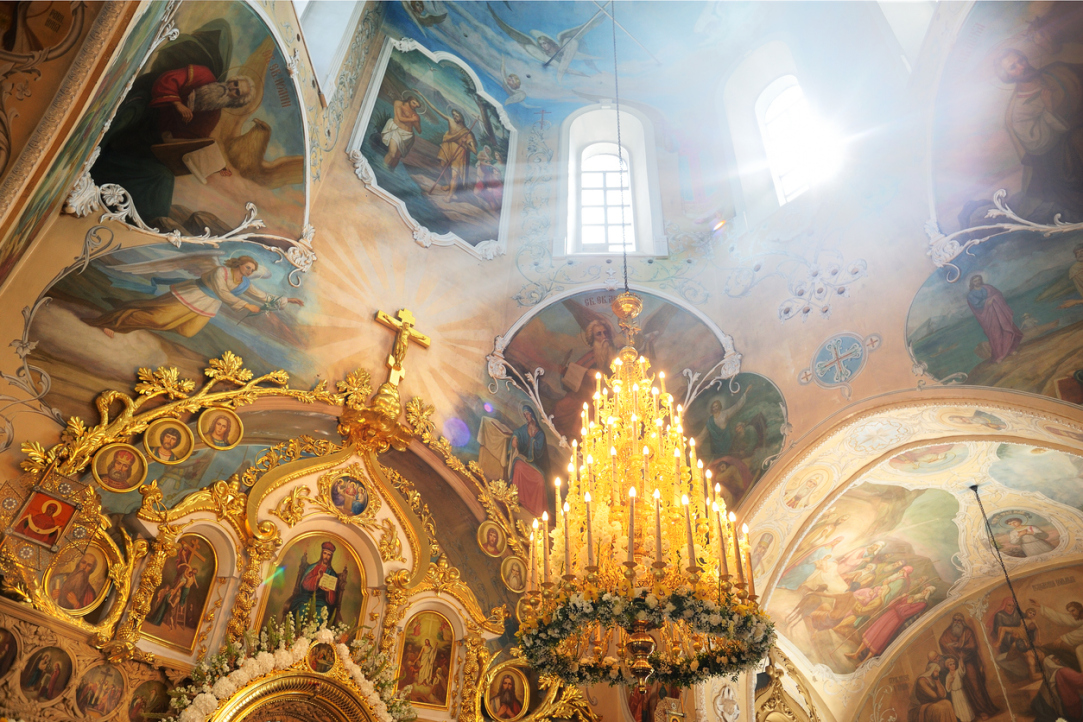
Advice from Above: Sociologists Have Assessed the Impact that Priests Have on How Their Parishioners Vote
Political preferences of at least 21% of Orthodox voters in Russia may be influenced by the clergy and their fellow believers. Based on an online survey of 2,735 respondents, HSE University sociologists Kirill Sorvin and Maksim Bogachev concluded that religion has a considerable impact on people’s political choices. The scholars assume that the share of those who vote ‘in an Orthodox way’ may be higher: many respondents were under 34, and young people are a minority among Orthodox believers in Russia.
Submission Deadline: December 20, 2025